Skin guide
Two different problems that look almost the same
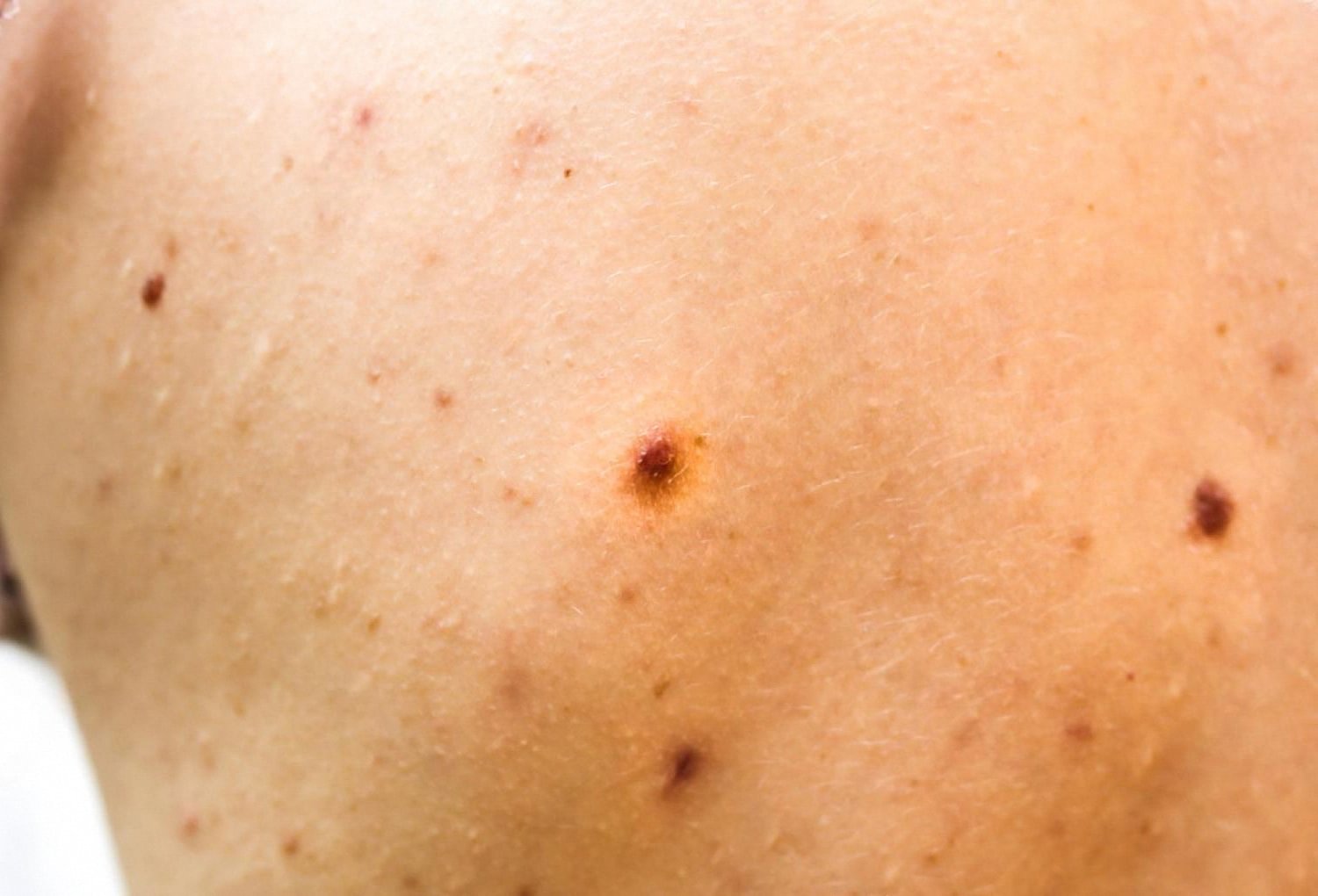
If a pimple heals but leaves a mark behind, most people call it a scar. In reality, it is usually pigmentation, and the two need very different treatments. Getting the label right saves you months of using the wrong creams, especially in the UAE where strong sun makes marks stick around longer.
The quick test
The finger-and-light check
Stand in bright daylight and look at the mark from the side. If the skin feels smooth when you run a finger over it and the mark is only a colour change (pink, red, brown, purple), it is pigmentation. If you can see or feel a dip, bump, or dent, it is a real scar. That single test decides which lane of treatment you are in.
Pigmentation versus scarring at a glance
Pigmentation (marks)
- Flat to the touch, no dip or bump
- Brown, dark grey, red, or purple
- Skin surface feels smooth
- Fades over months, faster with treatment
- Worse after sun exposure
- Common on darker skin tones in the Gulf
Acne scars (texture)
- Ice-pick, boxcar, or rolling shape
- Skin colour may be normal
- You can feel a dent or ridge
- Does not fade with creams alone
- Needs in-clinic procedures
- Best treated by a doctor at an aesthetic clinic
Why UAE skin behaves differently
Sun, humidity, and skin tone
Most residents in the UAE fall into Fitzpatrick skin types III to V, which means the skin is quicker to produce pigment when irritated. A single squeezed pimple can leave a brown mark that hangs on for six to twelve months, especially after unprotected time outdoors. Humidity and heavy sweating during summer also aggravate breakouts, so new spots keep appearing on top of old marks.
This is why treatment plans here usually put sun protection first. Even the strongest laser session can be undone by a week of beach days without SPF. According to guidance from the World Health Organizationthe UV index across the Gulf sits in the very high to extreme band for most of the year.
Read the data
What actually works, and how fast
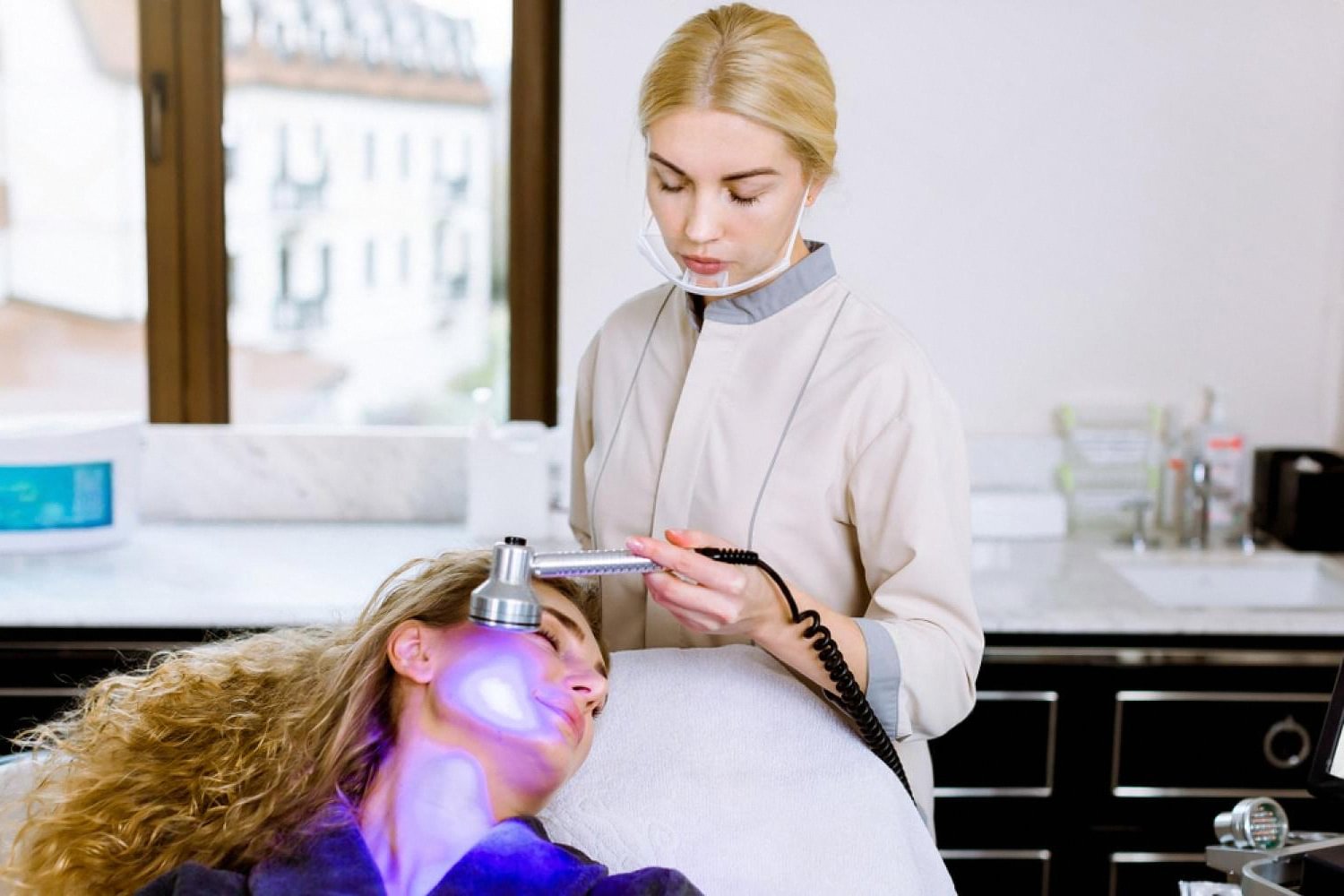
Pigmentation responds to topical actives and light treatments because you only need to break up excess melanin. Scars are physical damage to the deeper layers of skin, so they need procedures that either resurface the top layer or trigger new collagen underneath. The timelines are very different, and mixing them up is the number one reason people feel let down by results.
- Vitamin C, azelaic acid, niacinamide: 8 to 12 weeks to visibly fade dark spots.
- Chemical peels (glycolic, mandelic): 3 to 6 sessions, spaced 2 to 4 weeks apart.
- Microneedling with radiofrequency: 3 to 5 sessions for rolling and boxcar scars.
- Fractional laser (CO2 or non-ablative): best for deeper scars, needs downtime.
- Subcision: a minor in-clinic release for tethered rolling scars.
Your next three steps
Get a proper diagnosis
Book a skin consultation before buying products. A dermatologist can tell in seconds whether you are dealing with pigmentation, scars, or both, and save you money on the wrong creams.
Lock in sun protection
Use SPF 50 every morning, reapply every two hours when outdoors, and wear a hat between 11am and 4pm. Without this step, nothing else will hold.
Match the treatment to the problem
Peels and topicals for pigmentation. Microneedling, subcision, or fractional laser for texture. Combine only under a clinician’s plan.
A quick word on home remedies
Lemon juice, toothpaste, and DIY scrubs are still popular in Gulf beauty circles, and they cause more harm than good. Lemon on skin that then meets Dubai sun can trigger phytophotodermatitis, which is a chemical burn that leaves darker marks than the ones you were trying to remove. Stick to evidence-based ingredients like niacinamide, azelaic acid, tranexamic acid, and prescription retinoids. If you are unsure, ask a pharmacist or dermatologist rather than a beauty influencer.
Frequently asked questions
How do I know if my dark spots are scars or pigmentation?
Run a clean finger over the mark in good light. If the skin feels perfectly smooth and the mark is just a colour change, it is pigmentation. If you feel a dent, pit, or raised patch, it is a scar. Pigmentation almost always fades over time, while scars need procedures to level the surface.
Will pigmentation from acne go away on its own in the UAE?
It can, but it takes longer here than in cooler climates because of the strong UV exposure. Most post-acne marks in the UAE take six to twelve months to fade naturally, and only if you use daily SPF. Without sun protection, the same marks often get darker instead of lighter.
Can I treat acne scars at home?
True textural scars, ice-pick, boxcar, or rolling, cannot be flattened with creams. Home care can improve skin quality and reduce future breakouts, but the dents themselves need microneedling, subcision, or laser to remodel the collagen underneath. A qualified clinic can tell you which combination fits your scar type.
Is laser treatment safe for darker skin tones common in the UAE?
Yes, when the right laser is chosen. Nd:YAG and non-ablative fractional lasers are considered safer for Fitzpatrick types IV and V, which cover most South Asian, Arab, and African skin tones. Older CO2 lasers carry a higher risk of post-inflammatory hyperpigmentation, so always ask the practitioner which device they are using and why.
How many sessions do I need before I see results?
For pigmentation, expect visible fading after three to four peel or laser sessions plus consistent home care. For scars, plan for four to six sessions spaced four to six weeks apart. Improvements keep showing for several months after the last session, because collagen remodels slowly.
Do I need to stop makeup or skincare before a clinic appointment?
You should stop strong actives like retinoids, high-strength acids, and benzoyl peroxide for three to five days before most in-clinic procedures. Makeup on the day is fine, the clinic will cleanse the area. Always share your full product list at the consultation so the doctor can adjust the plan.
How much does acne scar treatment cost in the UAE?
Prices vary widely between clinics and depend on the technology used, the size of the treated area, and the practitioner’s experience. Rather than shopping on price alone, ask for before-and-after photos of patients with your skin type and confirm who will perform the procedure. Cheap sessions with untrained staff often leave worse marks than the ones you came in with.

Skydiver, ramen eater, DJ, vintage furniture lover and growthhacker. Producing at the intersection of modernism and elegance to answer design problems with honest solutions.